Getting close to a family of mountain gorillas is one of the most powerful moments of travel in Africa. Two countries make it easy: Rwanda and Uganda. Here is how to choose.
MALYA Travel · Updated 13 November 2026 · 3 min read
Just over a thousand mountain gorillas remain, split between the Virunga volcanoes (Rwanda, Uganda, DR Congo) and Bwindi forest in Uganda. Treks are in small groups of up to 8 people, with trackers, and you spend one hour with the family.
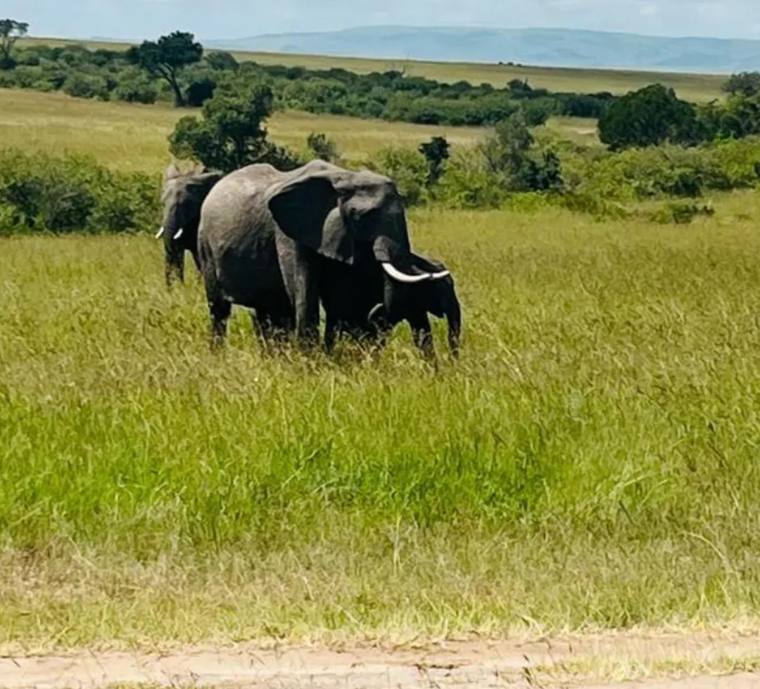
Rwanda and Uganda combine with Kigali and a savannah safari
The comparison at a glance
Rwanda
Uganda
Visa for Ivorians
Visa-free (30 days)
e-Visa, about 50 USD
Gorilla permit (2026)
1,500 USD; promotional rate announced at 500 USD for African citizens outside June-October, until 31/12/2026, subject to conditions
800 USD in high season, 600 USD in April, May and November
Access
Volcanoes Park 2.5 hours from Kigali
Bwindi 8-10 hours by road from Entebbe, or a domestic flight
Terrain
Volcano slopes, often shorter treks
Dense, steep forest, more demanding
Other assets
Kigali, Akagera, Lake Kivu
Chimpanzees, tree-climbing lions, source of the Nile
Choose Rwanda if…
… you are short on time. Kigali is well served from Abidjan by RwandAir, no visa is needed and Volcanoes Park is under three hours away by road: 4 to 7 days is enough. It is also the most comfortable option.
Choose Uganda if…
… you want a complete safari with a lower permit budget. In a week you combine gorillas, chimpanzees, savannah and a boat trip on the Kazinga Channel. The journey is longer, but the adventure more varied.
Our trips
Our Rwanda trip (7 days, from 670,000 FCFA, gorillas in the Prestige package) and our Uganda trip (8 days, from 970,000 FCFA, gorillas in the Comfort and Prestige packages) include flights from Abidjan. The two countries combine: Bwindi is only a few hours from the Rwandan border. More in our Rwanda and Uganda guides.
Good to know
Daily permits are limited: book 3 to 6 months ahead, especially for June-September. You must be at least 15 and in good health (no trekking with a cold, to protect the gorillas). Bring walking shoes, a rain jacket, gloves and long trousers. A yellow fever certificate is required in both countries. Entry rules change regularly: the information in this article reflects the MALYA travel requirements matrix checked on 31 October 2026 and our checks of 5 November 2026. Before every departure, our advisers check the current requirements for you (visa, health, documents) and let you know about any changes.
Plan your trip with MALYA Travel
Have a trip in mind? Request your tailor-made quote in 2 minutes on our website or message us on WhatsApp on +1 (416) 771-6254. Our advisers reply quickly, help you with your travel formalities and work with you to build a trip that suits you. MALYA Travel, the joy of travelling.
Peak season June to October according to the Rwanda Development Board (2026 gorilla permit rates); no public monthly statistics found, other months estimated..
See the detailed table
Month
Max
Min
Rain
Sea
Crowds
Our view
January
26 °C
13 °C
75 mm
–
Medium
Ideal
February
26 °C
13 °C
102 mm
–
Medium
Ideal
March
26 °C
13 °C
118 mm
–
Medium
Possible
April
25 °C
14 °C
186 mm
–
Low
Less favourable
May
25 °C
13 °C
107 mm
–
Low
Possible
June
26 °C
12 °C
23 mm
–
High
Ideal
July
26 °C
12 °C
9 mm
–
High
Ideal
August
26 °C
13 °C
35 mm
–
High
Ideal
September
26 °C
13 °C
90 mm
–
High
Ideal
October
26 °C
13 °C
109 mm
–
High
Possible
November
25 °C
13 °C
140 mm
–
Medium
Possible
December
25 °C
13 °C
101 mm
–
Medium
Ideal
Currency, exchange and payments
Notes of 500, 1,000, 2,000 and 5,000 RWF; coins from 1 to 100 RWF.
Mobile money (MTN MoMo, Airtel Money) is very widespread, including on Kigali buses and at small shops.
Gorilla permits and park entry fees are paid in dollars or by card, usually at the time of booking.
ATMs are plentiful in Kigali but much scarcer near Akagera and Volcanoes parks: withdraw cash before you go.
Cards work in Kigali hotels and restaurants; if the terminal offers to charge you in euros or FCFA, decline and pay in RWF.
Tipping is not compulsory but customary for guides, trackers and porters on gorilla treks.
Change money at banks or bureaux de change in Kigali using recent dollar notes or euros: FCFA cannot be exchanged in Rwanda.
Indicative converter :FCFA≈RWF
Cost of living on site
Item
Local price
≈ FCFA
Bottle of water (1.5 l)
600 – 1,000 RWF
240 – 400
Simple local meal
2,500 – 5,000 RWF
990 – 2,000
Mid-range restaurant (per person)
10,000 – 20,000 RWF
4,000 – 7,900
Kigali bus (by distance)
182 – 855 RWF
70 – 340
SIM card with data
3,000 – 10,000 RWF
1,200 – 4,000
Kigali buses: official RURA distance-based tariff (from 182 RWF for 1-2 km to 855 RWF for 25 km, December 2024), subject to revision with fuel prices. Other prices: indicative estimates, subject to change.
Budget on site
Daily spending per person on site (meals, transport, visits), excluding flights and accommodation.
1Kigali Genocide Memorial – An essential place of remembrance
2Kimironko Market – Fabrics, fruit and crafts
3Nyamirambo – Kigali's lively, colourful district
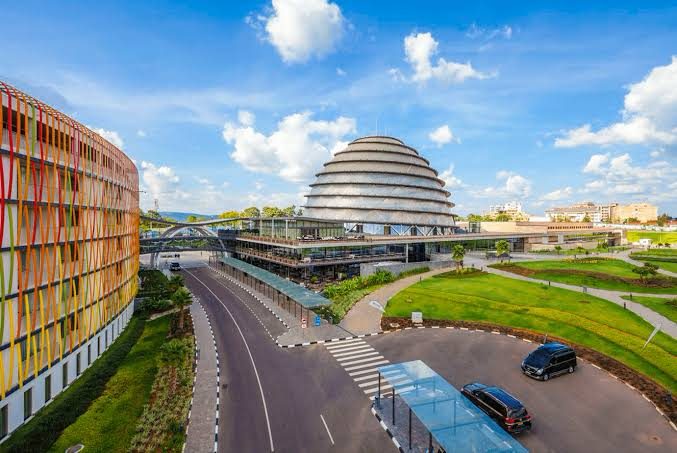
4Kigali Convention Centre – The dome, symbol of modern Kigali
5Lake Ihema (Akagera) – Safari and boat trip among hippos
6Volcanoes National Park – Mountain gorilla trekking
7Lakes Burera and Ruhondo – Twin lakes below the volcanoes
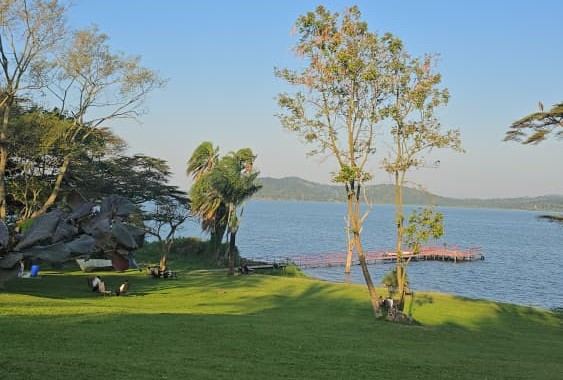
8Lake Kivu (Rubavu) – Beaches and relaxing by the lake
Sources: climate averages weather2travel.com; exchange rates of 26/10/2026; crowds and visitor numbers: official sources cited; prices: see the note under the table. Indicative information, checked by your adviser before departure.
Frequently asked questions
Where is it cheapest to see gorillas?
In Uganda: 800 USD in high season and 600 USD in April, May and November, against 1,500 USD at the standard rate in Rwanda.
Do I need a visa to see gorillas?
Not for Rwanda, which exempts Ivorians for 30 days. Uganda requires an e-Visa of about 50 USD.
What is the best season for gorillas?
The dry seasons, June to September and December to February.