Italy is an open-air museum, with what many consider the world's best food as a bonus. The classic Rome, Florence, Venice trio is easy by high-speed train, 1 hour 30 to 2 hours between each city.
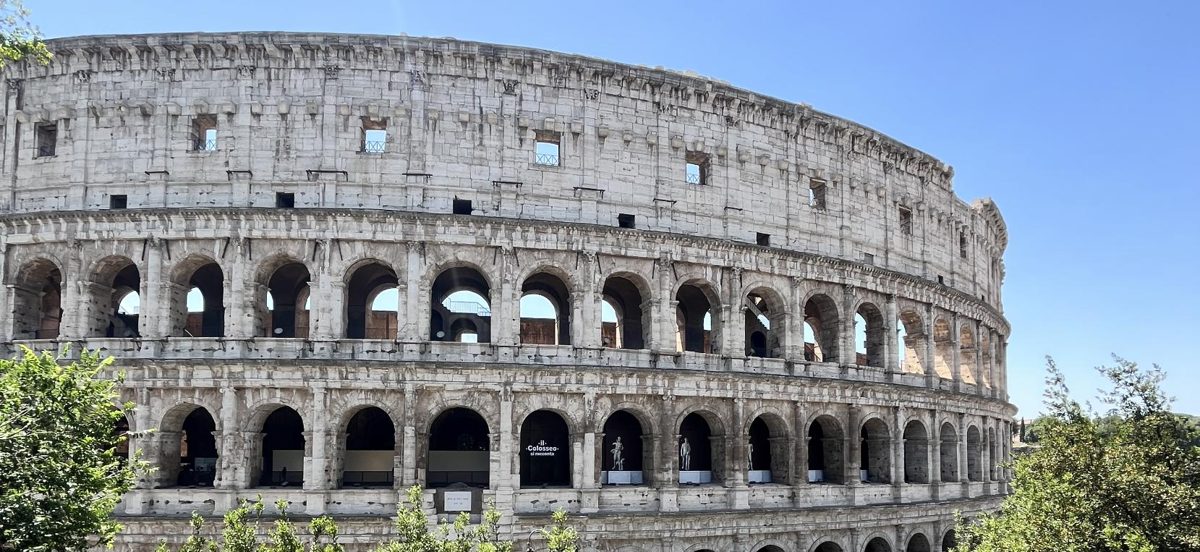
The Colosseum from the Palatine Hill, Rome
Entry requirements for Ivorians
Italy is part of the Schengen area: a Schengen visa (90 € fee) is required, applied for through Italy if it is your main destination. Prepare your file one to three months before departure. The documents and mistakes to avoid are covered in our Schengen visa guide. No vaccinations are required.
When to go
The best times are April to June and September to October: mild weather and shorter queues. July and August are very hot and crowded. In autumn and winter, Venice can see high tides (acqua alta).
Highlights
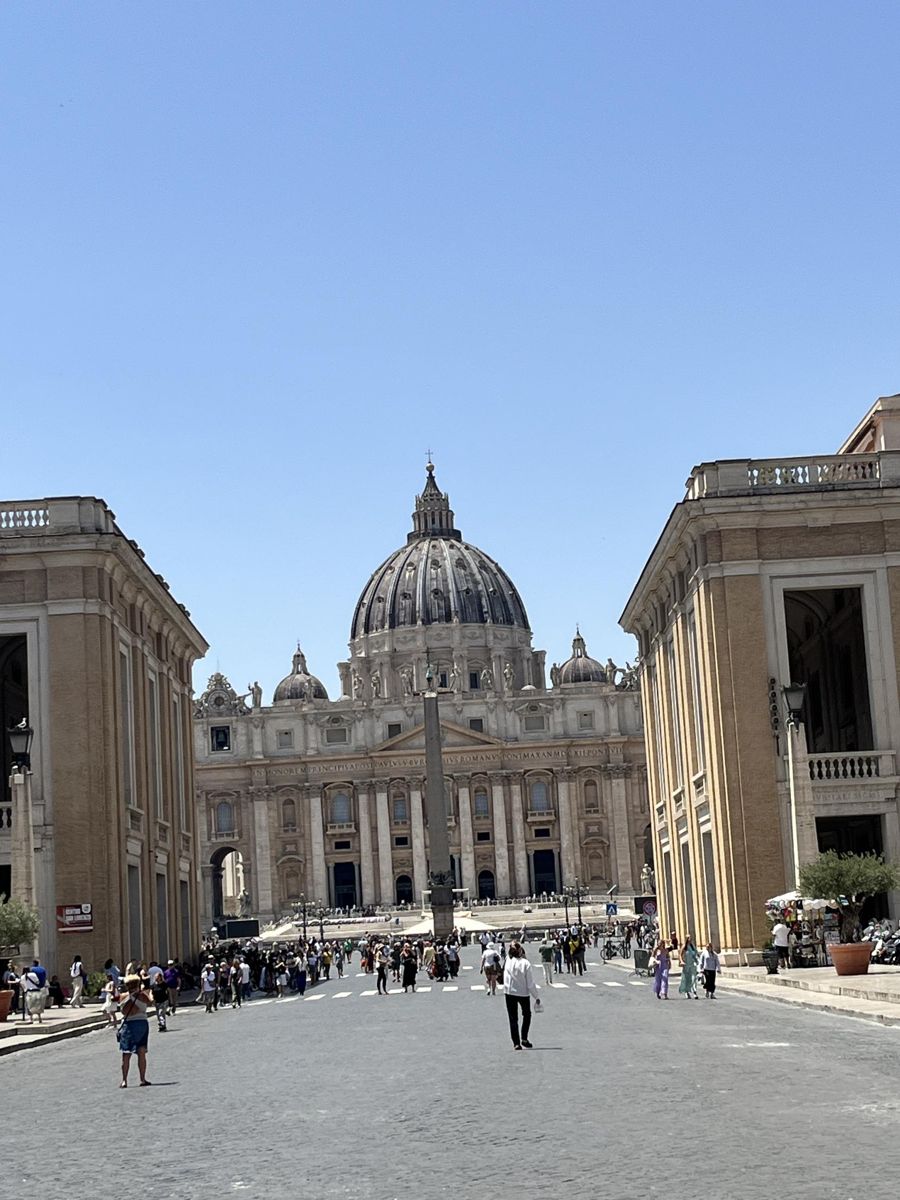
Rome: the Colosseum, the Roman Forum, the Trevi Fountain, the Pantheon, the Vatican and the Sistine Chapel;
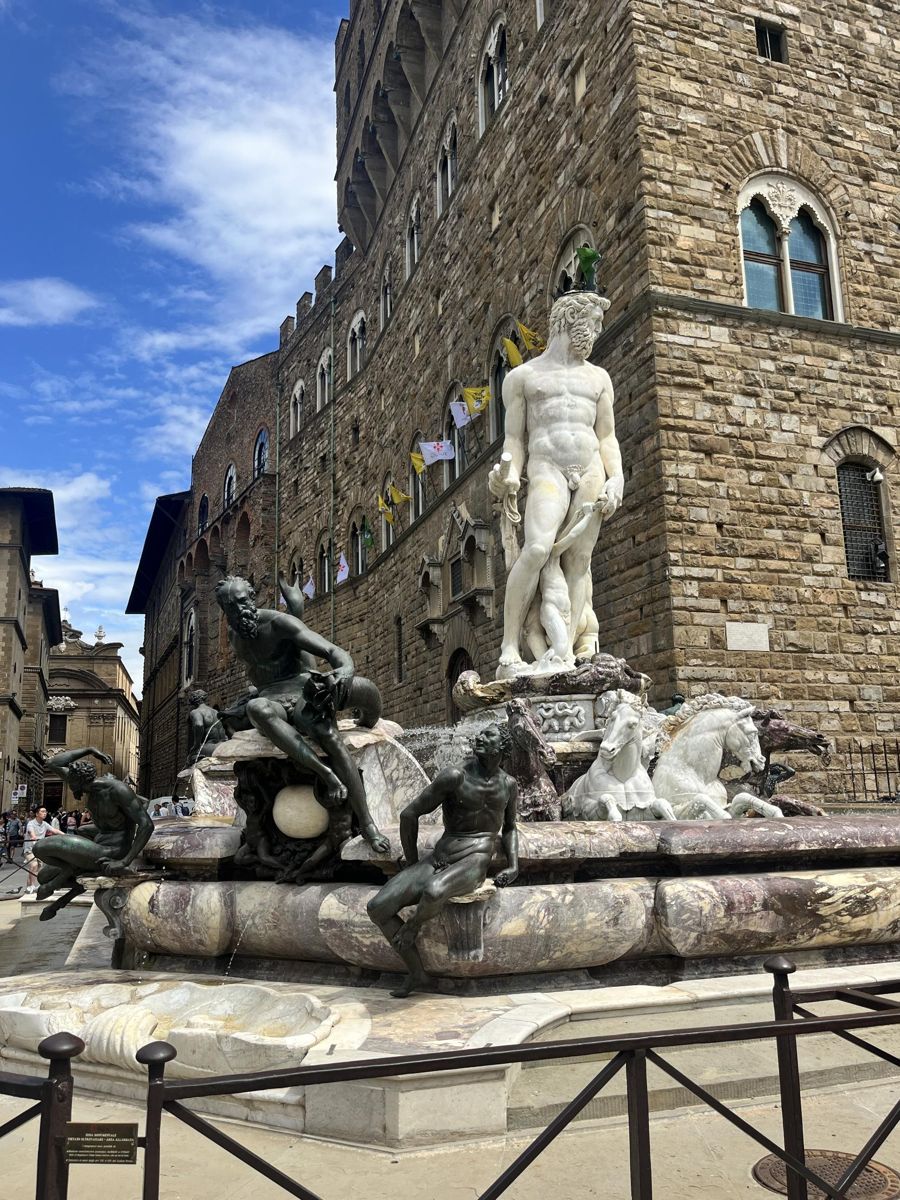
Florence: the Duomo, Ponte Vecchio, the Uffizi Gallery, Michelangelo's David;
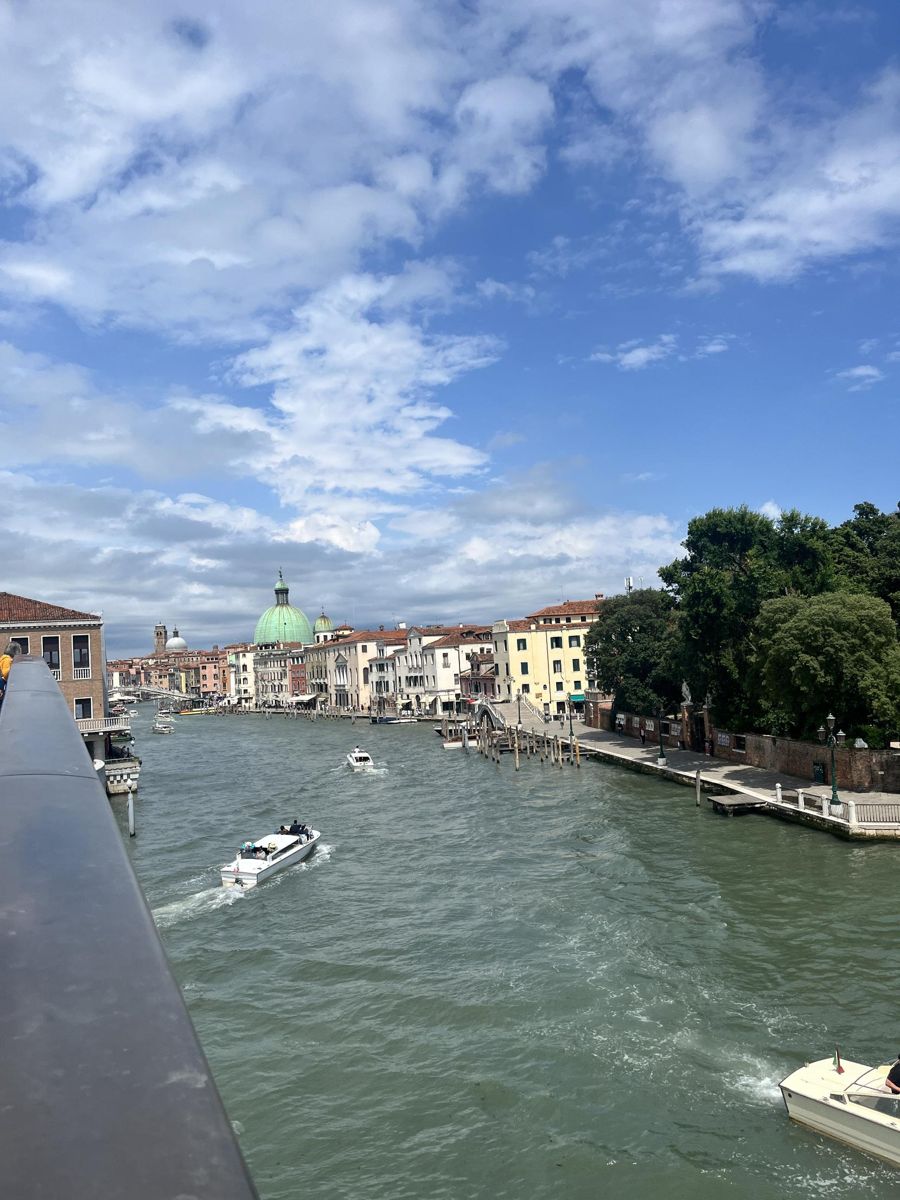
Venice: the Grand Canal, St Mark's Square, the Doge's Palace, the islands of Murano and Burano;
fresh pasta, Neapolitan pizza and gelato at every stop.
Left, the Grand Canal in Venice; right, the Fountain of Neptune on Piazza della Signoria, Florence
St Peter's Basilica from Via della Conciliazione, Rome
Shoulders and knees must be covered to enter churches and the Vatican. Book the Colosseum, the Vatican Museums and the Uffizi in advance to avoid hours of queuing. The currency is the euro; a tourist tax is added to hotel stays, and Venice charges an access fee on some busy days. Entry rules change regularly: the information in this article reflects the MALYA travel requirements matrix checked on 31 October 2026 and our checks of 5 November 2026. Before every departure, our advisers check the current requirements for you (visa, health, documents) and let you know about any changes.
Plan your trip with MALYA Travel
Have a trip in mind? Request your tailor-made quote in 2 minutes on our website or message us on WhatsApp on +1 (416) 771-6254. Our advisers reply quickly, help you with your travel formalities and work with you to build a trip that suits you. MALYA Travel, the joy of travelling.
Monthly non-resident arrivals in accommodation 2025, Istat (April–June estimated from published changes).
See the detailed table
Month
Max
Min
Rain
Sea
Crowds
Our view
January
12 °C
3 °C
84 mm
–
Low
Possible
February
13 °C
4 °C
76 mm
–
Low
Possible
March
16 °C
5 °C
69 mm
–
Low
Possible
April
18 °C
8 °C
61 mm
–
Medium
Ideal
May
23 °C
11 °C
46 mm
–
Medium
Ideal
June
27 °C
15 °C
38 mm
–
Medium
Ideal
July
30 °C
17 °C
18 mm
–
High
Possible
August
30 °C
17 °C
36 mm
–
High
Possible
September
27 °C
15 °C
76 mm
–
Medium
Ideal
October
22 °C
11 °C
97 mm
–
Medium
Ideal
November
17 °C
7 °C
117 mm
–
Low
Possible
December
13 °C
4 °C
99 mm
–
Low
Possible
Currency, exchange and payments
Notes of €5, €10, €20, €50, €100 and €200 (the €500 note is no longer issued but remains legal tender); coins of 1, 2, 5, 10, 20 and 50 cents, €1 and €2.
Cards are accepted almost everywhere (shops are required to accept them); keep a few euros for cafés, kiosks and small markets.
In restaurants, a 'coperto' (cover charge, €1 to €3 per person) often appears on the bill; tipping is not expected, rounding up is enough.
The tourist tax is often paid on site at the hotel, on top of the booked price: allow for it in your budget.
When a card terminal or ATM offers to charge you in FCFA, decline and choose euros: the conversion offered costs more.
FCFA cannot be exchanged locally: buy your euros before leaving Abidjan, or withdraw them on arrival with your Visa or Mastercard (tell your bank and check your limits).
On Rome's buses and metro, validate your BIT ticket or pay directly by contactless card at the gates (tap&go).
Indicative converter :FCFA≈EUR
Cost of living on site
Item
Local price
≈ FCFA
Bottle of water (1.5 l)
€0.50 – €1.50
330 – 980
Simple meal (pizza al taglio, panino)
€8 – €15
5,200 – 9,800
Mid-range restaurant (per person)
€25 – €40
16,400 – 26,200
Metro or bus ride (BIT ticket, 100 min)
€1.50
980
Taxi ride in town
€10 – €20
6,600 – 13,100
Metro and bus fare: official ATAC tariff in Rome (BIT ticket €1.50, valid for 100 minutes, 2026). Other prices: indicative estimates, subject to change.
Budget on site
Daily spending per person on site (meals, transport, visits), excluding flights and accommodation.
1Colosseum and Roman Forum – Ancient amphitheatre and heart of imperial Rome
2Trevi Fountain – Baroque fountain where you toss a coin
3Pantheon – Ancient temple with an intact dome
4Vatican and St Peter's Basilica – Basilica, Vatican Museums and Sistine Chapel
5Florence Cathedral – Cathedral and Brunelleschi's dome
6Ponte Vecchio – Medieval bridge lined with goldsmiths
7St Mark's Square (Venice) – Basilica, bell tower and Doge's Palace
8Burano – Lagoon island of brightly painted houses
Sources: climate averages weather2travel.com; exchange rates of 26/10/2026; crowds and visitor numbers: official sources cited; prices: see the note under the table. Indicative information, checked by your adviser before departure.
Frequently asked questions
Do Ivorians need a visa for Italy?
Yes, a Schengen visa, applied for through Italy if it is your main destination.
When is the best time to visit Italy?
April to June and September to October.
How do you travel between Rome, Florence and Venice?
By high-speed train: about 1 hour 30 between Rome and Florence and 2 hours between Florence and Venice.