Home › Blog › Hajj or Umrah: what are the differences?
Travel tips
Hajj or Umrah: what are the differences?
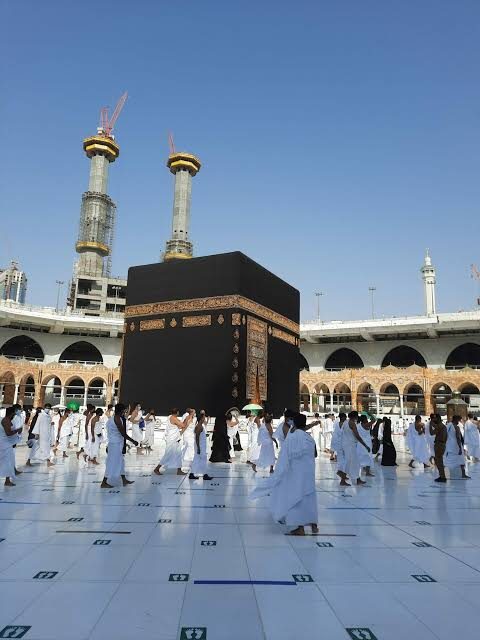
Hajj and Umrah are both pilgrimages to Mecca, but they differ in status, timing and organisation. Here is what you need to know to choose and prepare well.
MALYA Travel · Updated 13 November 2026 · 3 min read
Hajj is the major pilgrimage, one of the five pillars of Islam, compulsory once in a lifetime for Muslims who are physically and financially able. It takes place on fixed dates of the lunar calendar, in the month of Dhu al-Hijjah, and its rites unfold over several days in Mecca, Mina, Arafat and Muzdalifah, around Tabaski.
Umrah, the "lesser pilgrimage"
Umrah is a recommended pilgrimage, possible almost all year round outside the Hajj period. Its rites (ihram, tawaf, sa'y, shaving or cutting the hair) take a few hours, and the stay is often combined with a visit to Medina.
The differences at a glance
Hajj
Umrah
Status
Compulsory once in a lifetime, under conditions
Recommended
Timing
Fixed dates, month of Dhu al-Hijjah
All year outside Hajj
Length of rites
Several days
A few hours
Organisation
Quotas allocated to each country, registration with approved bodies
Umrah or tourist visa under current rules
Organising your Umrah with MALYA
Our Umrah – Mecca & Medina trip lasts 10 days, from 920,000 FCFA per person, flights included. Ramadan is the most sought-after period. Every step is covered in our Umrah from Abidjan guide. For Hajj, contact the approved bodies in Côte d'Ivoire, which manage the quotas.
Good to know
The meningitis vaccine is required by Saudi Arabia for pilgrims. Visa and health rules change: our advisers check current requirements before every departure. Entry rules change regularly: the information in this article reflects the MALYA travel requirements matrix checked on 31 October 2026 and our checks of 5 November 2026. Before every departure, our advisers check the current requirements for you (visa, health, documents) and let you know about any changes.
Plan your trip with MALYA Travel
Have a trip in mind? Request your tailor-made quote in 2 minutes on our website or message us on WhatsApp on +1 (416) 771-6254. Our advisers reply quickly, help you with your travel formalities and work with you to build a trip that suits you. MALYA Travel, the joy of travelling.
2027 Hijri calendar (projected): Ramadan ≈ 8 Feb–9 Mar, Hajj ≈ 14–19 May (Eid al-Adha ≈ 16 May); winter very busy (GASTAT, 2025).
See the detailed table
Month
Max
Min
Rain
Sea
Crowds
Our view
January
29 °C
18 °C
13 mm
–
High
Ideal
February
30 °C
18 °C
3 mm
–
High
Possible
March
33 °C
20 °C
5 mm
–
High
Possible
April
36 °C
22 °C
10 mm
–
Medium
Possible
May
39 °C
25 °C
5 mm
–
High
Less favourable
June
41 °C
27 °C
0 mm
–
Medium
Less favourable
July
41 °C
28 °C
0 mm
–
Low
Less favourable
August
40 °C
28 °C
0 mm
–
Low
Less favourable
September
40 °C
27 °C
0 mm
–
Low
Less favourable
October
37 °C
24 °C
3 mm
–
Medium
Possible
November
33 °C
22 °C
20 mm
–
Medium
Ideal
December
30 °C
19 °C
13 mm
–
High
Ideal
Currency, exchange and payments
Notes of 5, 10, 50, 100 and 500 SAR; coins of 1 and 2 SAR and from 5 to 50 halalas.
Bank cards and contactless payment are accepted almost everywhere, including small shops around the mosques.
Keep a few riyals in cash for small purchases, donations and taxis negotiated around the Haram.
ATMs are everywhere in Mecca and Medina. Decline dynamic currency conversion: pay and withdraw in riyals.
FCFA cannot be exchanged in Saudi Arabia: bring dollars or euros to change at banks and official bureaux de change.
The riyal is pegged to the dollar (US$1 = 3.75 SAR), so its value is stable.
During Ramadan hotel and transport prices soar: book your package well in advance.
Indicative converter :FCFA≈SAR
Cost of living on site
Item
Local price
≈ FCFA
Bottle of water (1.5 l)
2 – 3 SAR
310 – 470
Simple meal (shawarma, chicken rice)
15 – 35 SAR
2,300 – 5,500
Mid-range restaurant (per person)
60 – 120 SAR
9,400 – 18,700
Bus ticket (Makkah Bus)
4 SAR
620
Taxi or ride-hailing trip in town
20 – 60 SAR
3,100 – 9,400
Makkah Bus ticket: official 4 SAR fare set by the Royal Commission for Makkah City and Holy Sites (since 01/11/2023). Other prices: indicative estimates, which rise during Ramadan.
Budget on site
Daily spending per person on site (meals, transport, visits), excluding flights and accommodation.
1Masjid al-Haram and the Kaaba – Tawaf and sa'i, the heart of Umrah
2Jabal al-Nour – Mountain of the Cave of Hira
3Mount Arafat – Jabal al-Rahmah, a key Hajj site
4Mina – Valley of tents and the Jamarat
5Prophet's Mosque – Prayers and the Rawdah, by booking
6Quba Mosque – The first mosque in Islam
7Mount Uhud – Site of the battle and the martyrs
8Masjid al-Qiblatayn – The "mosque of the two qiblas"
Sources: climate averages weather2travel.com; exchange rates of 26/10/2026; crowds and visitor numbers: official sources cited; prices: see the note under the table. Indicative information, checked by your adviser before departure.
Frequently asked questions
What is the difference between Hajj and Umrah?
Hajj is compulsory once in a lifetime, on fixed dates; Umrah is recommended and possible almost all year.
Can I do Umrah during Hajj?
Generally no: the Hajj period is reserved for Hajj pilgrims.
Which vaccine for Umrah?
The meningitis vaccine is required by Saudi Arabia.